
Lost-Wax Casting
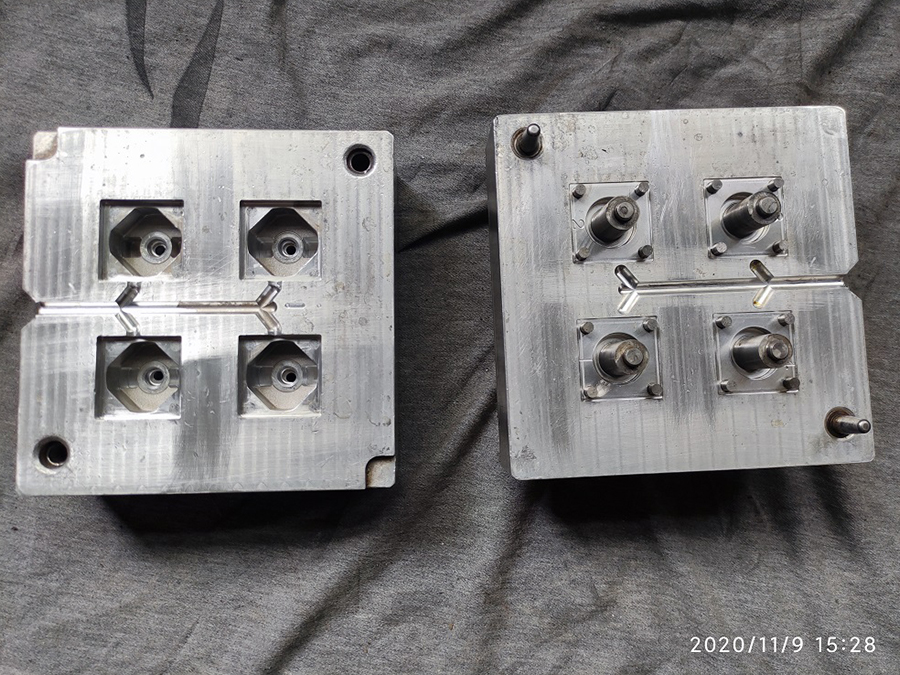
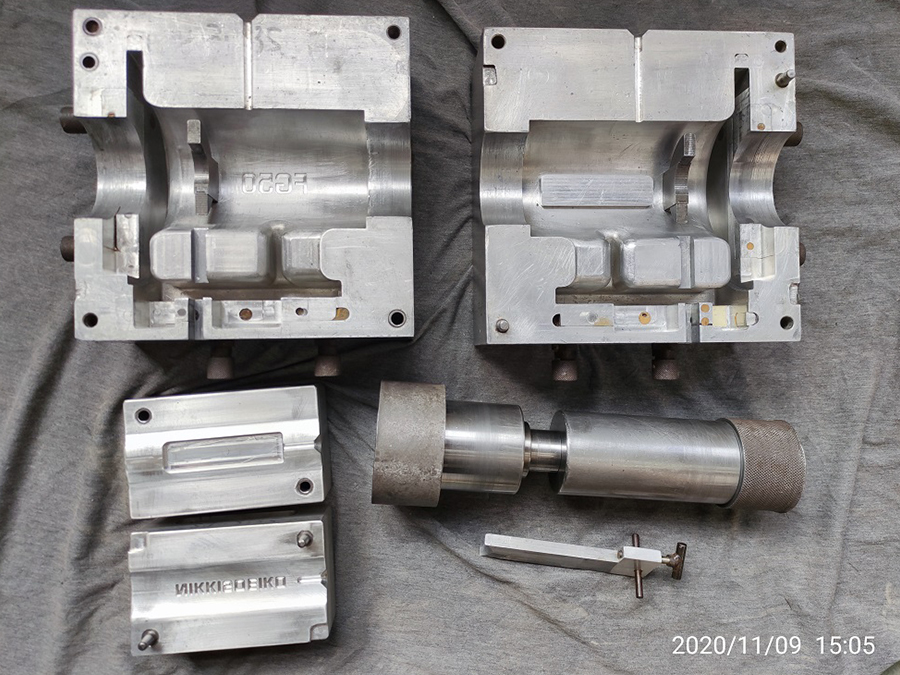
Suitable for components with complex geometries and high precision requirements. Through wax pattern fabrication, ceramic shell building, and high-temperature dewaxing, this process enables the formation of castings with fine details and high density. It is commonly used for industrial, medical, and artistic components.
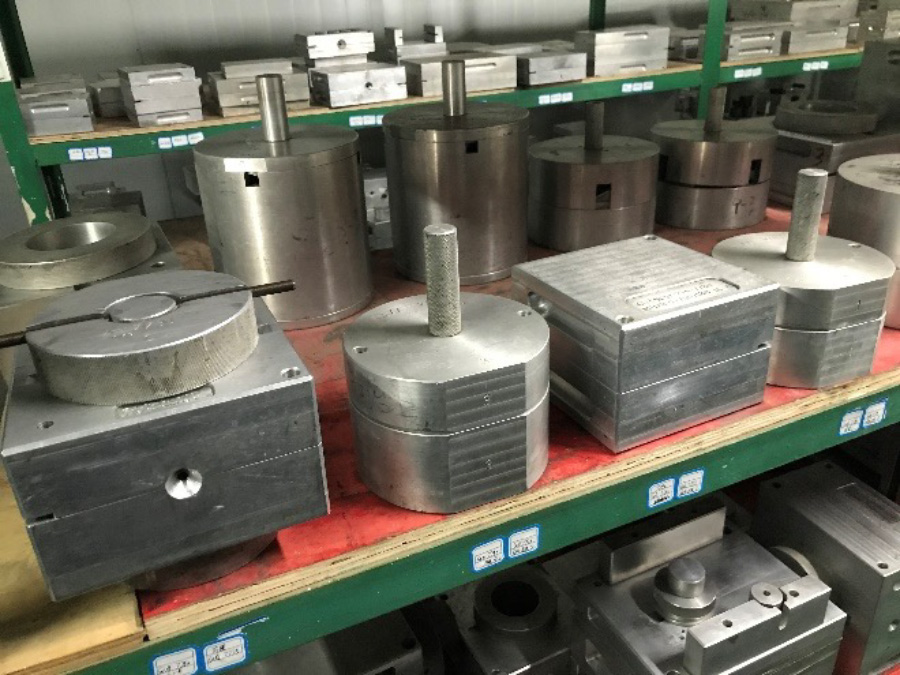
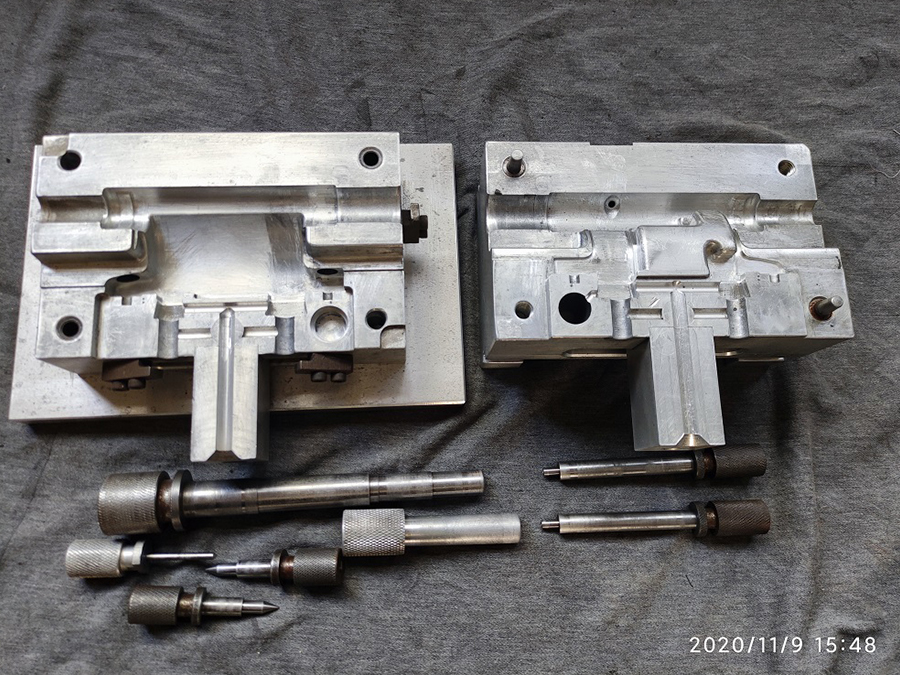
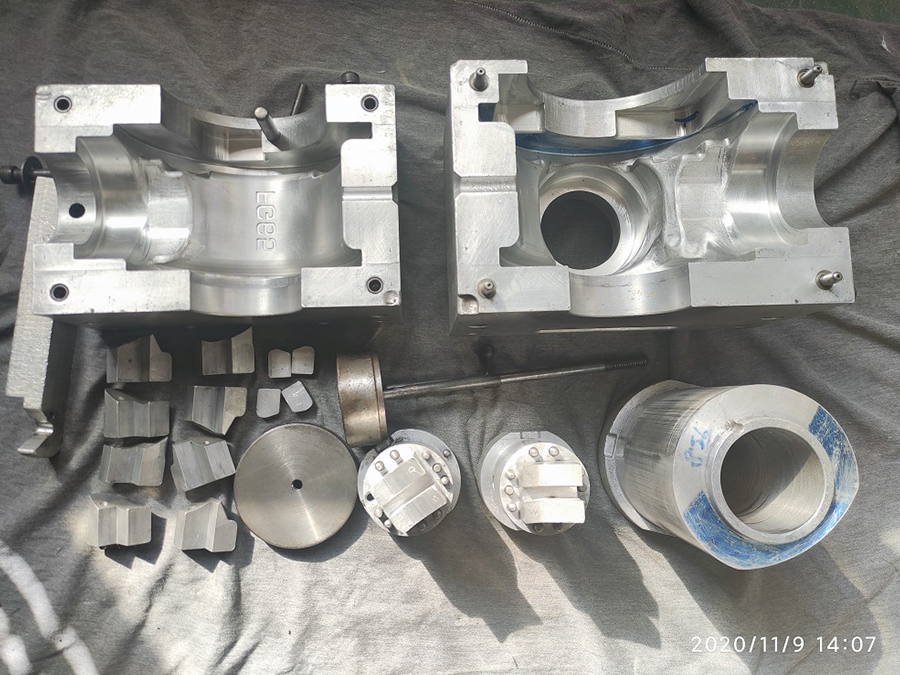
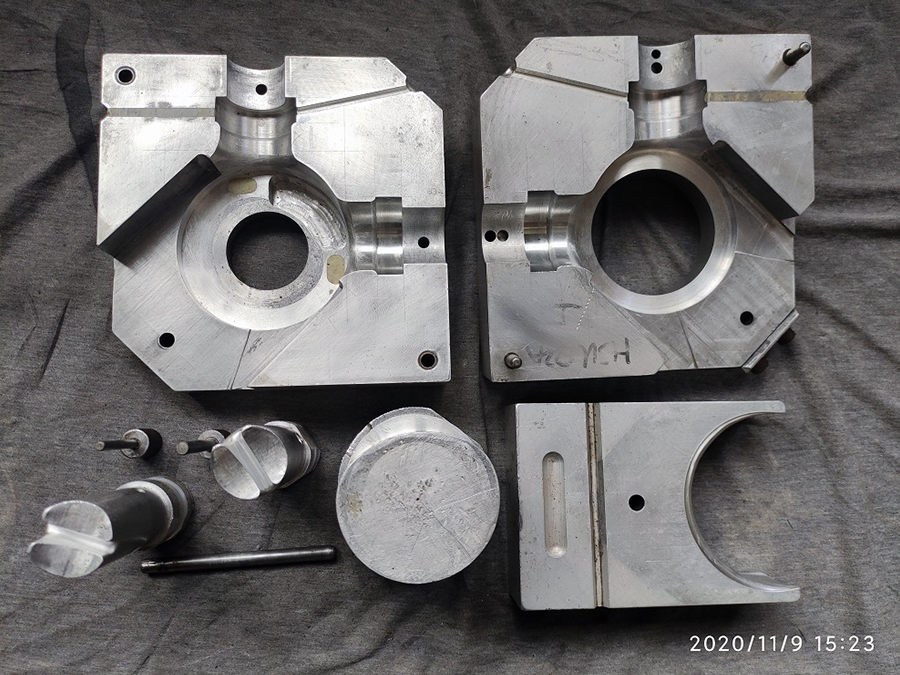
This process is ideal for metal parts with complex shapes and strict requirements for dimensional accuracy and surface quality. High-precision wax patterns are produced, followed by repeated slurry dipping and sand stuccoing to form multilayer ceramic shells. After high-temperature dewaxing and firing, molten metal is poured to faithfully reproduce design details while ensuring casting integrity.
Compared with traditional sand casting, lost-wax casting significantly reduces the need for secondary machining and enables thin walls, irregular shapes, and highly complex structures. It is particularly suitable for high value-added components and parts with stringent functional requirements. This process is widely applied in industrial equipment, medical devices, energy, and aerospace industries.
Process Flow
Wax Pattern Forming → Tree Assembly → Slurry Dipping / Sand Stuccoing → Dewaxing → Firing → Pouring → Shell Removal & Cleaning → Post-Processing
Process Features
- Excellent detail reproduction and superior surface quality
- Capable of forming thin walls and complex geometries
- Relatively low requirement for secondary machining
- Higher unit cost; part size is limited by process conditions
Applications
- Aerospace / Energy blades
- Medical devices
- Precision mechanical components
- Stainless steel and high-alloy castings
Our Capabilities & Supported Services
Based on customer drawings and technical requirements, we evaluate the feasibility of the lost-wax casting process and provide structural design recommendations tailored to different materials and applications. We offer casting parameter suggestions, support prototype trials and small-batch production, and assist during product development and validation stages. Post-processing services can be arranged as needed, including gate removal, surface treatment, and machining. Quality inspection and specification verification are provided to ensure castings meet usage and assembly requirements. Process integration and lead-time planning support can also be offered according to project needs.